


100,000+ People Are Escaping Persistent Pain With Barefoot Shoes—Here’s Why
You begin to struggle with everyday activities that once felt effortless, such as climbing stairs, getting up from a chair, kneeling, or squatting. Every morning, your joints feel stiff and painful; some nights, the discomfort even keeps you awake. Because you are afraid of triggering the pain, you gradually become less active, causing your leg muscles to weaken and movement to become increasingly difficult. This cycle affects not only your physical health but also your emotional well-being, leaving you feeling increasingly withdrawn and disconnected from the activities around you.
This is also what 100,000 people experienced before they stopped relying solely on cushioning and switched to barefoot shoes—a design that gives the feet more room to move naturally.

1- The right space is important
You bought the shoes your podiatrist recommended. You spent hundreds on custom insoles and tried every gel pad at the drugstore—yet your feet still ache when you step out of bed each morning.
The problem may not be a lack of cushioning. It could be the lack of space inside your shoes. Narrow toe boxes squeeze your toes together, push the big toe inward, and prevent your joints from moving naturally. Over time, this added pressure may contribute to bunion discomfort and affect the way your entire body moves.
These shoes feature a wide, anatomical toe box that allows your toes to spread and your feet to move more naturally with every step. Because shoes should fit the natural shape of your feet—not force your feet to fit the shape of the shoes.

2 - Fight Inflammation With Every Step
That lingering, deep ache in your joints—the stiffness that greets you in the morning and intensifies after a long day—is chronic inflammation. It’s also why so many approaches to foot pain offer relief that doesn’t last.
A copper grounding plug embedded in the sole connects your body with the Earth’s natural electrons as you walk. Rooted in a principle practiced in traditional Asian medicine for 1,000 years, grounding is now supported by modern research showing its ability to reduce inflammation at the cellular level.
No extra effort. No changes to your routine. Simply walk, and let the shoes do the work.

3 - Zero-drop = less load on the joints
Many conventional shoes elevate the heel, which can change how the foot moves and distribute additional stress through the feet and lower limbs. Insoles and heel lifts may ease tension, but they do not always address the movement patterns contributing to your discomfort.
These shoes take a different approach with a zero-drop design that keeps the heel and forefoot level. The flexible sole bends with your foot, while the wide toe box gives your toes room to spread naturally. Together, these features support a less restrictive walking experience.

4- The connection with the ground - Stops the Back and Knee Pain
Our feet contain thousands of sensory receptors that send signals to the brain upon contact with the ground, activating muscles and senses to help the body adapt to different terrain.
If you experience lower back pain after walking or knee stiffness on stairs, the problem may begin with your feet. Overly thick soles can alter how your feet contact the ground and propel you forward, forcing your lower legs, knees, hips, and lower back to compensate. Repeated thousands of times daily, these changes may increase joint stress and make movement uncomfortable.
These barefoot shoes feature ultra-thin soles that help your feet and body receive and process ground feedback, continuously adjusting to optimize each step.

5- How Your Feet Are Designed to Move
Physics teaches us that an object can only remain stable if supported by at least three points. Similarly, our feet rely on three key points of contact: the heel, the little toe, and the big toe.
As you walk, these points work together to distribute pressure, support balance, and help stabilize your entire body.
These barefoot shoes are designed to follow this natural movement, allowing your feet to move more freely and naturally than they typically can in conventional footwear.

6- Breathable, Flexible, and So Lightweight You Forget You’re Wearing Shoes
Most shoes are designed to do the work your feet should be doing—from supporting the arches and adding extra cushioning to using rigid soles. At first, they may feel soft and comfortable. However, when your feet rely too heavily on this support, the muscles may work less and gradually weaken, causing discomfort to return or become even more noticeable.
These shoes are made from breathable, flexible, and nearly weightless materials. They bend with every movement, providing all-day comfort while allowing your feet to move more naturally. This encourages the foot muscles to become active again, helping strengthen your feet and support the arches’ natural function.

7- More Than Just a Pair of Shoes—It’s the Freedom to Enjoy Life Again
Foot pain doesn’t just make every step uncomfortable. It can cause you to avoid stairs, cut walks short, turn down outings with your family, and think twice about the distance before leaving home. Gradually, your world becomes smaller because your feet no longer provide the comfort and confidence they once did.
These shoes are designed to give your toes more room, support flexible movement, and provide a lightweight feel throughout the day. You can regain the confidence to go wherever you want, do the things you love, and enjoy life without every step becoming a source of worry.
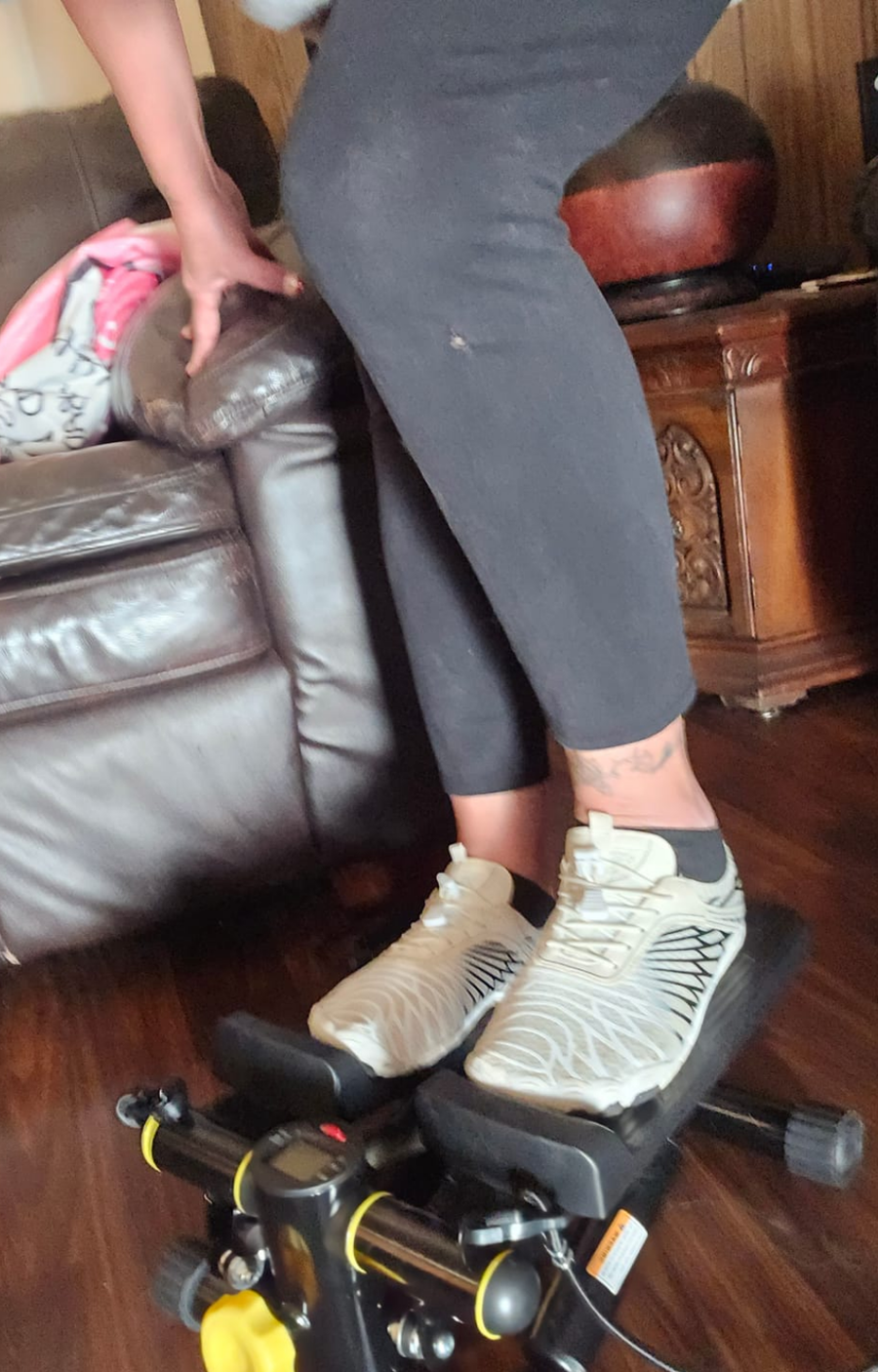
100,000+ Customers love these!




Benefits of acting now:
Feel the Freedom Immediately
Experience comfort, freedom, and a natural feel from the very first step.
Prevent Further Damage
Protect yourself from additional injuries and allow your body to strengthen naturally.
Enhance overall well-being
Improve strength, posture, balance, and mobility simply by changing your shoes.
60-Day Money-Back Guarantee • Free Shipping • Second Pair + Insoles Included